Services
Eye Care Services in Georgia
Comprehensive Eye Exams
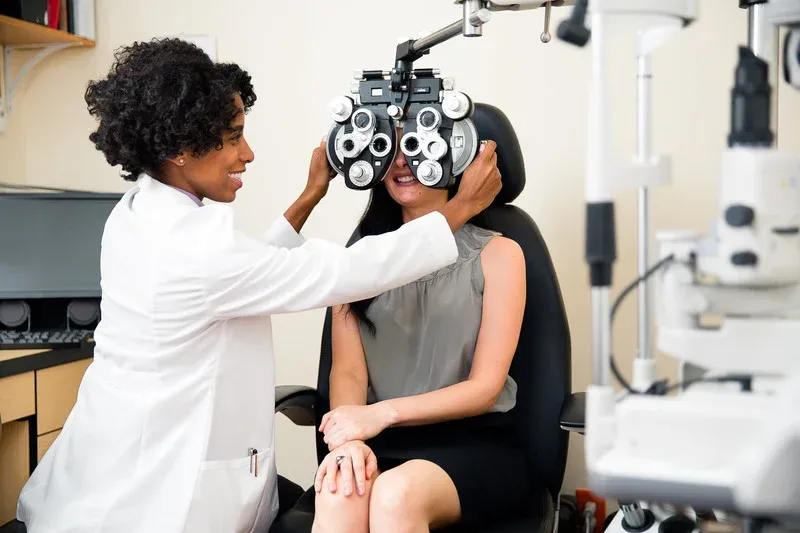
Routine eye exams are an essential part of maintaining both your vision and overall health. At Georgia Vision Institute, our comprehensive eye exams are designed to evaluate how well you see while also checking for early signs of eye disease—often before symptoms appear.
Whether you need a routine vision check or have noticed changes in your eyesight, regular eye exams help ensure your eyes stay healthy at every stage of life.
Why Eye Exams Matter
Many common eye conditions—such as glaucoma, macular degeneration, and diabetic eye disease—can develop gradually without noticeable symptoms in the early stages. A comprehensive eye exam allows your provider to detect these issues early, when treatment is often most effective.
Eye exams can also reveal signs of broader health concerns. Conditions like high blood pressure and diabetes may first be detected through changes in the eyes, making routine exams an important part of preventive healthcare.
What Do We Treat?
Macular Degeneration
Near Sightedness
Far Sightedness
Diabetic Eye Disease
Cataracts
Glaucoma
Presbyopia
Eye Infection
Eye Disease Treatment
Corneal Condition
Uveitis
Sudden Vision Changes
Posterior Subcapsular Cataracts
What Happens During an Eye Exam?
A comprehensive eye exam is a detailed evaluation of both your vision and eye health. Most exams are completed in about an hour, depending on the tests needed.
During your visit, your provider may perform several assessments, including:
- Visual acuity testing to measure how clearly you see at different distances
- Refraction testing to determine if you need glasses or contact lenses
- Eye pressure testing (tonometry) to screen for glaucoma
- Eye movement and coordination tests to evaluate how your eyes work together
- Slit-lamp examination to closely examine the front structures of the eye
- Dilated eye exam to evaluate the retina and optic nerve
These tests allow your provider to assess the full structure and function of your eyes and identify any potential concerns.
Who Should Have Regular Eye Exams?
Eye exams are important for patients of all ages. The frequency of your exams depends on your age, vision needs, and medical history.
- Adults with no known vision issues should have periodic exams as recommended by their provider
- Patients with diabetes or a family history of eye disease may need more frequent monitoring
- Adults over age 40 benefit from regular exams to screen for age-related conditions
Even if your vision seems clear, routine exams help detect problems early and support long-term eye health.

Personalized Eye Care at Georgia Vision Institute
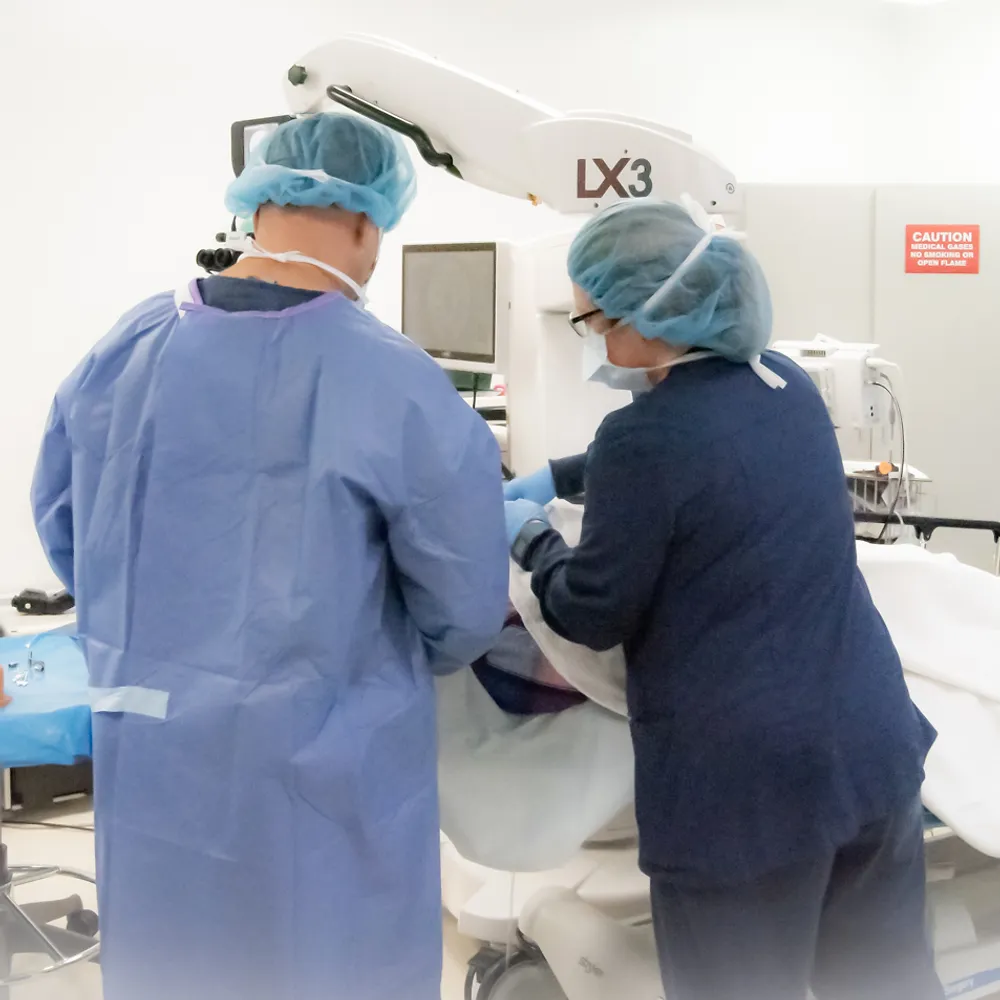
At Georgia Vision Institute, we provide comprehensive eye care tailored to each patient. Our team of ophthalmologists and optometrists offers a full range of services—from routine eye exams to advanced treatment and surgical care—ensuring continuity at every step.
If your exam identifies a concern, we will guide you through your next steps, whether that includes monitoring, treatment, or referral for specialized care. Our goal is to provide clear answers and a care plan that fits your individual needs.
Schedule Your Eye Exam
If it’s been more than a year since your last exam—or if you’re experiencing blurred vision, eye strain, or changes in your eyesight—it may be time to schedule a visit.
Contact Georgia Vision Institute today to book your comprehensive eye exam and take a proactive step toward protecting your vision.