
Macular Degeneration
Macular Degeneration Specialist in Georgia

Macular Degeneration and Treatment at Georgia Vision Institute
Macular degeneration, or age-related macular degeneration (AMD), is a progressive eye condition affecting the macula, the central part of the retina responsible for sharp, detailed vision. It is a leading cause of vision loss in adults over 50.
Macular Degeneration Risk Factors
-
Age
-
Smoking
-
High blood pressure
-
A diet high in saturated fat
-
Genetics
-
Race
-
UV light exposure
-
Poor nutrition
-
Lack of exercise
What Is Macular Degeneration?
Macular degeneration is a common eye condition that primarily affects adults over 50. It occurs when the macula, the central part of the retina responsible for clear vision, deteriorates. This condition can lead to blurred or reduced vision, particularly in the center of your visual field. While macular degeneration does not cause complete blindness, it can significantly impair daily activities such as reading, driving, and recognizing faces. At Georgia Vision Institute, we take your vision seriously.
Types of Macular Degeneration
There are two main types of macular degeneration: dry (atrophic) and wet (neovascular).
Dry (atrophic) Macular Degeneration
Dry macular degeneration is the more common form and progresses slowly over time. It occurs when the light-sensitive cells in the macula gradually break down, leading to central vision loss.
Wet (neovascular) Macular Degeneration
Wet macular degeneration, while less common, is more severe and progresses rapidly. It is characterized by the growth of abnormal blood vessels under the retina, which can leak fluid or blood and cause vision distortion.
What Are the Signs and Symptoms of Macular Degeneration?
Macular degeneration is progressive and not always symptomatic at first, so your yearly eye exams are very important.
Early detection of macular degeneration is crucial for preserving vision. Common symptoms include blurry or fuzzy vision, difficulty recognizing faces, and seeing straight lines as wavy. You may also notice a dark or empty area in the center of your vision. If you experience these symptoms, scheduling an eye exam as soon as possible is essential.
Treatment Options for Macular Degeneration in Georgia
While there is no cure for macular degeneration, several treatment options can help manage the condition and slow its progression. Lifestyle changes such as a healthy diet, regular exercise, and avoiding smoking can benefit dry macular degeneration.
For wet macular degeneration, treatments may include anti-VEGF injections that help reduce the growth of abnormal blood vessels and decrease fluid leakage. Laser and photodynamic therapy are also treatment options that can help manage vision loss. At Georgia Vision Institute, our experienced eye specialists offer personalized treatment plans tailored to your specific needs.
Why Choose Georgia Vision Institute for Macular Degeneration Treatment?
At Georgia Vision Institute, we are committed to providing high-quality eye care services for patients with macular degeneration. Our experienced eye care specialists use advanced diagnostic tools and treatment techniques to help manage your condition effectively. We offer a comprehensive approach to eye health, ensuring you receive the best possible care in a comfortable and professional setting.
Schedule Your Appointment Today
If you or a loved one is experiencing symptoms of macular degeneration, don’t wait to seek professional eye care. Early detection and treatment can significantly improve your vision. Contact Georgia Vision Institute today to schedule a consultation and learn more about your treatment options. We are here to support you every step of the way to maintain your eye health at one of our convenient eye clinics in West Georgia.
If you’re experiencing symptoms or are concerned about macular degeneration, schedule an appointment at one of our West Georgia locations today. Early detection is key to protecting your vision.
Macular Degeneration FAQs
How is macular degeneration diagnosed?
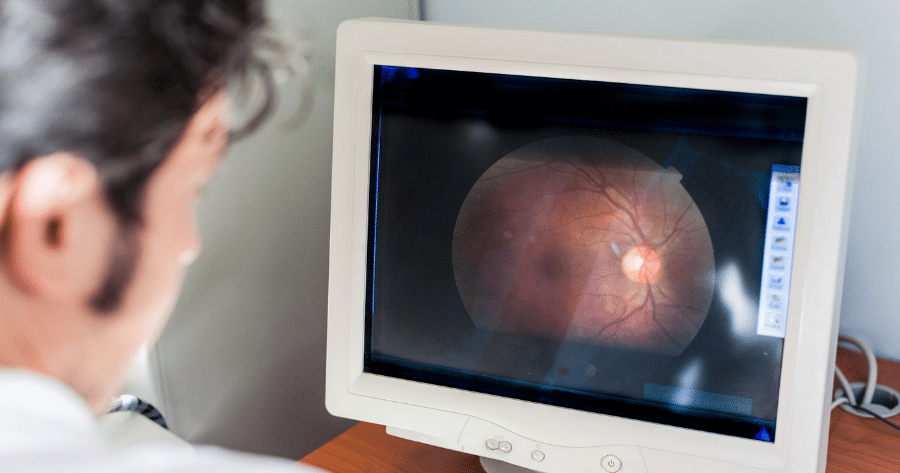
Macular degeneration is diagnosed through a comprehensive eye exam that may include retinal imaging, optical coherence tomography (OCT), and dilation to closely examine the macula. These tools allow your eye specialist to detect early changes, even before noticeable symptoms develop.
Can macular degeneration affect both eyes?
Yes, macular degeneration often affects both eyes, although one eye may be more advanced than the other. Regular monitoring is important to track progression and adjust treatment as needed.
Does macular degeneration cause total blindness?
Macular degeneration does not cause complete blindness. It affects central vision but typically preserves peripheral vision, allowing patients to maintain some level of independence with appropriate care and visual support.
How often should I have eye exams if I have macular degeneration?
Patients with macular degeneration are usually advised to have more frequent eye exams, often every 3 to 6 months, depending on the type and severity of the condition. Your ophthalmologist will recommend a follow-up schedule tailored to your needs.
Are there vitamins or supplements that help with macular degeneration?
Certain nutritional supplements, such as those based on the AREDS2 formula, may help slow the progression of dry macular degeneration in some patients. Your eye specialist can advise whether supplements are appropriate for your specific condition.
Can lifestyle changes help slow macular degeneration?
Yes. Quitting smoking, maintaining healthy blood pressure, exercising regularly, eating a diet rich in leafy greens and omega-3 fatty acids, and protecting your eyes from UV exposure may help slow disease progression.
What is the difference between early, intermediate, and advanced macular degeneration?
Early macular degeneration may have few or no symptoms, intermediate stages often involve noticeable vision changes, and advanced macular degeneration can significantly impact central vision. Identifying the stage helps guide treatment and monitoring strategies.
When should I seek immediate care for macular degeneration symptoms?
Sudden vision changes, rapid distortion of straight lines, or a sudden dark spot in your central vision should be evaluated promptly, as these may indicate progression to wet macular degeneration requiring urgent treatment.