
Diabetic Eye Disease
Diabetic Eye Disease Specialist in Georgia

Diabetic Eye Disease Treatment at Georgia Vision Institute
Diabetic eye diseases, including diabetic retinopathy and diabetic macular edema, are serious complications of diabetes that can lead to vision loss if left untreated. At Georgia Vision Institute, we offer expert care to detect and manage these conditions early.
We collaborate with your primary care physician (PCP) or endocrinologist to conduct your annual diabetic eye exams and communicate any necessary information back to your provider. Even if you have no symptoms of diabetic eye disease, many insurance plans require an annual eye exam to refill your current prescriptions.
Using advanced diagnostic technology, our team monitors changes in the retina and tailors treatment plans to protect and preserve your vision. Treatment options at Georgia Vision Institute include specialized eye injections, laser therapy, and lifestyle guidance to manage your eye health effectively.
Understanding Diabetic Eye Disease
Diabetic eye disease is a group of eye conditions that affect individuals with diabetes. These conditions include diabetic retinopathy, diabetic macular edema, cataracts, and glaucoma. High blood sugar levels can damage the blood vessels in the retina, leading to vision problems and, in severe cases, blindness. Early detection and management of diabetic eye disease are crucial for preserving vision and preventing complications.
Different Types of Diabetic Eye Disease
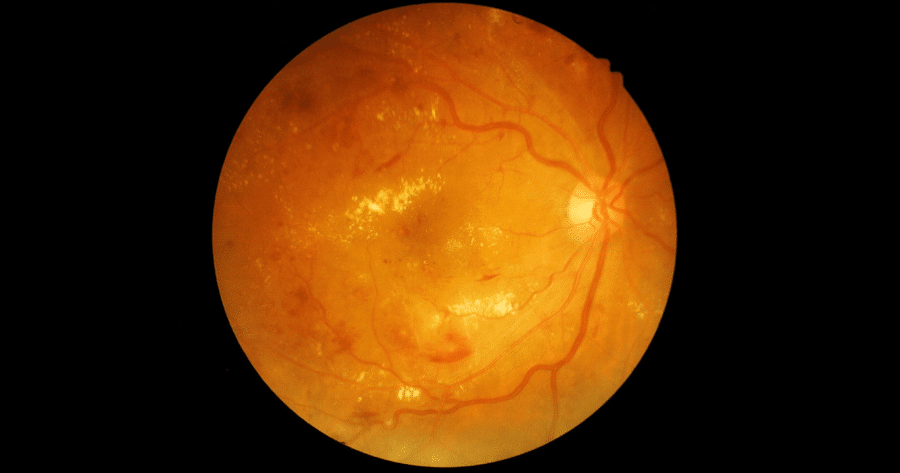
Diabetic Retinopathy: Diabetic retinopathy is the most common diabetic eye disease. It occurs when high blood sugar levels damage the tiny blood vessels in the retina, causing them to leak fluid or bleed. This can lead to vision distortion, floaters, and, over time, severe vision loss.
Diabetic Macular Edema: Diabetic macular edema (DME) is a complication of diabetic retinopathy. It occurs when fluid builds up in the macula, the part of the retina responsible for sharp central vision. This can cause blurred vision and difficulty focusing on details.
Cataracts: People with diabetes are more likely to develop cataracts earlier. Cataracts cause the eye’s lens to become cloudy, leading to hazy or less sharp vision.
Glaucoma: Diabetes increases the risk of developing glaucoma, a condition characterized by increased pressure in the eye that can damage the optic nerve and lead to vision loss.
What Are The Symptoms of Diabetic Eye Disease?
The symptoms of diabetic eye disease vary depending on the specific condition but may include blurred vision, floaters, dark spots in your vision, difficulty seeing colors, and vision loss. These symptoms can develop gradually and may not be noticeable until the disease progresses. Regular eye exams are essential for detecting and managing diabetic eye disease early and effectively.
Advanced Diabetic Eye Disease Treatment Options in Georgia
At Georgia Vision Institute, we offer a range of treatment options to manage diabetic eye disease and preserve your vision. Treatment plans are tailored to the specific condition and the severity of the disease.
Laser Treatment: Laser therapy can treat diabetic retinopathy by sealing leaking blood vessels and reducing fluid buildup in the retina. This treatment can help prevent further vision loss.
Anti-VEGF Injections: Anti-VEGF medications are injected into the eye to reduce retina swelling and slow abnormal blood vessel growth. This treatment is particularly effective for diabetic macular edema.
Vitrectomy Surgery: In advanced cases of diabetic retinopathy, vitrectomy surgery may be necessary to remove blood and scar tissue from the eye, helping to restore clear vision.
Why Choose Georgia Vision Institute for Diabetic Eye Care?
At Georgia Vision Institute, our team of experienced providers is dedicated to providing high-quality eye care for patients with diabetic eye disease. We use advanced diagnostic tools and treatment techniques to help manage your condition effectively and prevent vision loss. Our personalized approach ensures that your treatment plan meets your needs and helps maintain your eye health.
Schedule Your Diabetic Eye Exam Today
If you have diabetes, regular eye exams protect your vision. Contact Georgia Vision Institute today to schedule a consultation at one of our convenient Georgia locations and learn more about your treatment options. Early detection and treatment of diabetic eye disease can significantly improve your quality of life and preserve your vision.
Trust our skilled team to provide compassionate care. Schedule your diabetic eye exam at one of our West Georgia locations.
Diabetic Eye Disease FAQs
Why are routine eye exams critical for patients with diabetes?
Diabetes can damage the blood vessels in the retina long before any vision changes occur. Regular diabetic eye exams allow an eye specialist to detect early signs of diabetic eye disease and intervene before permanent vision loss develops.
How does blood sugar control impact eye health over time?
Consistently elevated blood sugar levels increase the risk of retinal damage, fluid leakage, and abnormal blood vessel growth. Managing diabetes through medication, diet, and lifestyle changes plays a key role in slowing the progression of diabetic eye disease.
Can diabetic eye disease affect vision even if eyesight seems normal?
Yes. Many patients with diabetic retinopathy or diabetic macular edema have no noticeable symptoms in the early stages. Advanced diagnostic imaging can reveal retinal changes before vision becomes impaired.
What imaging and testing tools are used to evaluate diabetic eye conditions?
Comprehensive diabetic eye care includes retinal imaging, optical coherence tomography (OCT), dilated eye exams, and visual assessments. These tools help monitor retinal swelling, blood vessel changes, and disease progression.
When are injections or laser treatments recommended?
Targeted eye injections or laser therapy may be advised when retinal swelling or abnormal blood vessel growth threatens vision. These treatments are designed to stabilize the retina and reduce further damage.
How does coordinated care improve outcomes for diabetic patients?
Working closely with primary care providers and endocrinologists ensures that eye findings are aligned with overall diabetes management. This collaborative approach supports better long-term vision and systemic health.