
MIGS
Minimally Invasive Glaucoma Surgery (MIGS) in West Georgia
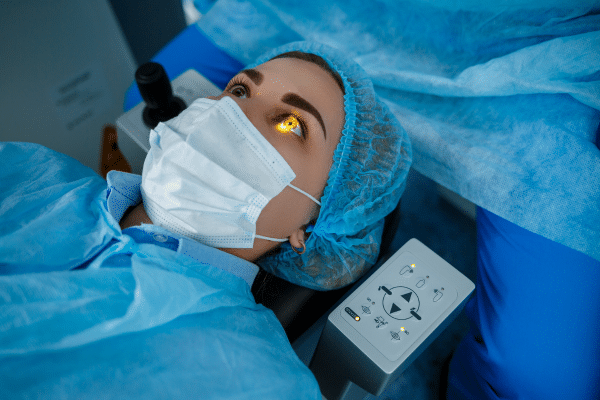
Minimally Invasive Glaucoma Surgery (MIGS) represents the newest generation of surgical options for patients who need pressure reduction but want a safer, less invasive alternative to traditional glaucoma procedures. At Georgia Vision Institute, our glaucoma specialists offer a variety of MIGS techniques designed to lower eye pressure, improve fluid drainage, and reduce long-term reliance on medications. MIGS has become a preferred option for patients with mild to moderate glaucoma seeking effective pressure control with minimal downtime.
What Is MIGS?
MIGS refers to a group of minimally invasive glaucoma procedures performed using microscopic instruments and tiny incisions. These procedures target different parts of the eye’s drainage system to help fluid flow more easily, lowering intraocular pressure (IOP) and reducing the risk of optic nerve damage.
Common MIGS approaches include:
- Trabecular meshwork bypass stents
- Canal-based procedures to enhance natural outflow
- Subconjunctival microshunts for long-term drainage
- Gonioscopy-assisted techniques that gently open blocked pathways
Because MIGS procedures are designed to be gentle on eye tissues, they offer a favorable safety profile compared with traditional filtration surgeries like trabeculectomy.
Benefits of Minimally Invasive Glaucoma Surgery
MIGS provides an excellent balance of pressure-lowering effectiveness and surgical safety. It is often recommended for patients who want to reduce dependency on medicated eye drops or who are undergoing cataract surgery and wish to combine both procedures for better long-term outcomes.
Key advantages include:
- Faster recovery compared to traditional glaucoma surgery
- Lower complication rates due to minimal disruption of eye structures
- Reduced need for daily glaucoma medications
- Flexible treatment options tailored to disease severity
- Compatibility with cataract surgery—many MIGS procedures can be performed through the same incision
For many patients with primary open-angle glaucoma, MIGS offers meaningful pressure reduction without the risks associated with more invasive operations.

What to Expect During a MIGS Procedure
MIGS procedures are typically performed in conjunction with cataract surgery but may also be done as standalone treatments depending on the patient’s needs. After numbing the eye, the surgeon uses a tiny device to access the drainage angle and perform the chosen MIGS technique. Because the incision is extremely small, most patients experience minimal postoperative discomfort.
Recovery is usually quicker than with traditional glaucoma operations. Patients will use prescribed eye drops to assist healing and attend follow-up visits to monitor intraocular pressure and ensure the device or procedure is working effectively.
Who Is a Candidate for MIGS?
MIGS may be an excellent option for patients who have:
- Mild to moderate open-angle glaucoma
- Difficulty tolerating glaucoma medications
- Elevated eye pressure not fully controlled with eye drops alone
- Plans for cataract surgery and want additional pressure reduction
A comprehensive glaucoma evaluation at Georgia Vision Institute helps determine which MIGS approach offers the most benefit based on your eye anatomy, disease stage, and long-term vision goals.

Schedule a MIGS Consultation in West Georgia
If you are interested in lowering eye pressure with a less invasive surgical option, MIGS may be the right choice for your glaucoma treatment plan. Our eye specialists at Georgia Vision Institute offer a full range of MIGS procedures at our Carrollton, Villa Rica, Bremen, and Douglasville locations. We are committed to helping you preserve vision with the safest and most advanced technologies available.
FAQ: Minimally Invasive Glaucoma Surgery (MIGS)
What is MIGS?
MIGS is a group of minimally invasive procedures that improve eye fluid drainage to lower pressure in patients with glaucoma.
Is MIGS safe?
Yes. MIGS has a strong safety profile due to its small incisions and minimal tissue disruption.
Can MIGS replace glaucoma medications?
Many patients reduce their dependence on drops after minimally invasive glaucoma surgery, though some may still need medication.
Can MIGS be done with cataract surgery?
Yes. Many MIGS devices and procedures pair seamlessly with cataract surgery for improved pressure control.