
Posterior Subcapsular Cataracts
Cataract Surgeon in Georgia
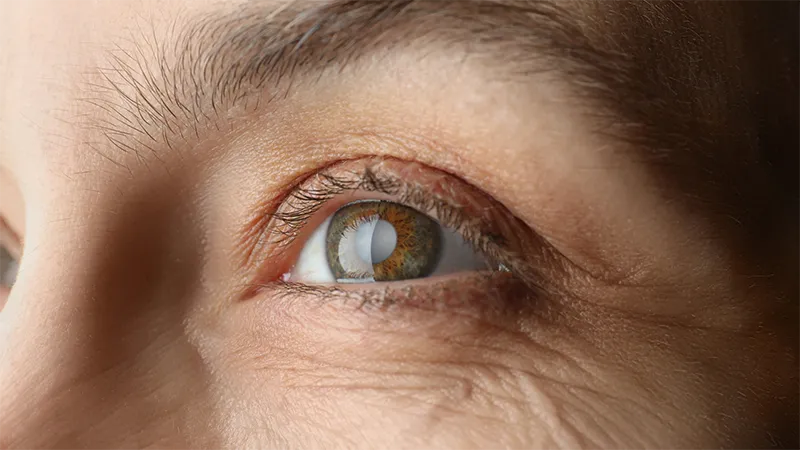
Posterior Subcapsular Cataract Treatment in Georgia
Posterior subcapsular cataracts (PSC) are a specific type of cataract that forms at the back of the eye’s natural lens, directly beneath the lens capsule. Although they are less common than nuclear or cortical cataracts, posterior subcapsular cataracts often progress more quickly and can significantly impact vision, especially when reading, driving at night, or looking at bright lights. At Georgia Vision Institute, our board-certified ophthalmologists provide comprehensive diagnosis, monitoring, and advanced cataract treatment to help patients throughout Georgia restore clear, comfortable vision.
We use advanced diagnostic tools to assess the severity of your cataracts and develop a personalized treatment plan tailored to your needs. Our expert team provides compassionate care, guiding you through every step of the process to ensure the best outcomes. Don’t let cataracts affect your daily life—schedule a consultation at one of our West Georgia locations and take the first step toward clearer vision.
What Are Posterior Subcapsular Cataracts?
A posterior subcapsular cataract develops on the back surface of the eye’s natural lens, just in front of the capsule that surrounds the lens. Because of its location along the path of incoming light, even a relatively small posterior subcapsular cataract can cause noticeable vision problems.
Unlike some cataracts that develop slowly over many years, posterior subcapsular cataracts often worsen more rapidly. They commonly interfere with central vision and can make everyday activities increasingly difficult.
At Georgia Vision Institute, our experienced eye specialists use advanced diagnostic technology to identify the type and severity of your cataract, allowing us to recommend the most appropriate treatment plan for your individual needs.
What Causes Posterior Subcapsular Cataracts?
Like other cataracts, posterior subcapsular cataracts occur when proteins in the eye’s natural lens break down and clump together, creating cloudy areas that block or scatter light. While aging remains the most common cause, PSC cataracts are also associated with several other risk factors.
Patients may be more likely to develop posterior subcapsular cataracts if they:
- Are over the age of 50
- Have diabetes
- Use corticosteroid medications for an extended period
- Have experienced previous eye injuries or inflammation
- Have undergone radiation therapy
- Have a history of significant nearsightedness
- Have certain inherited or systemic medical conditions
Because PSC cataracts may develop earlier than other cataract types in some individuals, regular comprehensive eye exams are important for early detection.
Symptoms of Posterior Subcapsular Cataracts
Posterior subcapsular cataracts often affect vision differently than other cataract types. Since they develop near the center of the visual axis, symptoms may become noticeable even when the cataract is relatively small.
Common symptoms include:
- Blurred or cloudy vision
- Difficulty reading, especially in bright light
- Increased sensitivity to sunlight or indoor lighting
- Glare and halos around headlights at night
- Poor night vision
- Reduced contrast sensitivity
- Frequent changes in eyeglass prescriptions
- Difficulty recognizing faces or fine details
If these symptoms begin interfering with your daily activities, it’s important to schedule a comprehensive cataract evaluation.
Diagnosing Posterior Subcapsular Cataracts
At Georgia Vision Institute, diagnosing posterior subcapsular cataracts begins with a comprehensive eye examination. Your ophthalmologist will evaluate your vision, review your symptoms, and perform a dilated eye exam to determine the location and severity of the cataract. Advanced diagnostic technology allows our team to assess your overall eye health and recommend the most appropriate treatment based on your visual needs and lifestyle.
Treatment for Posterior Subcapsular Cataracts
In the earliest stages, stronger lighting, updated eyeglasses, or anti-glare lenses may temporarily improve vision. However, because posterior subcapsular cataracts often progress relatively quickly, many patients eventually require cataract surgery to restore clear vision.
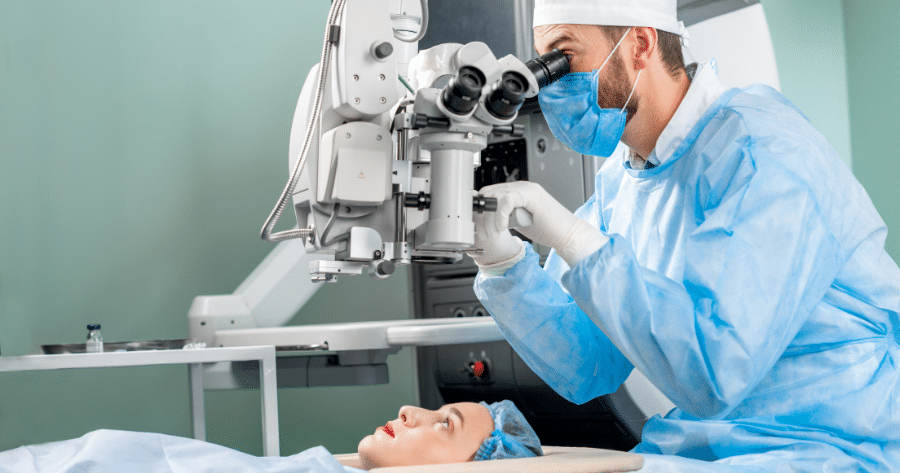
Cataract surgery is one of the safest and most successful procedures performed today. During the procedure, the cloudy natural lens is removed and replaced with a clear artificial intraocular lens (IOL). Georgia Vision Institute offers advanced cataract surgery with a variety of lens implant options designed to help patients achieve their best possible vision while reducing dependence on glasses whenever possible.
Our experienced cataract surgeons create individualized treatment plans and provide comprehensive care from your initial consultation through your recovery.
Frequently Asked Questions About Posterior Subcapsular Cataracts
How is a posterior subcapsular cataract different from other types of cataracts?
Posterior subcapsular cataracts develop at the back of the eye’s natural lens beneath the lens capsule. Because of their location, they often affect central vision earlier than other cataract types and commonly cause glare, halos, and difficulty reading, even when the cataract is relatively small.
Do posterior subcapsular cataracts get worse quickly?
Yes. Posterior subcapsular cataracts often progress faster than many other types of cataracts. Some patients experience noticeable vision changes over several months rather than years, making routine eye exams important for monitoring progression.
Can glasses correct posterior subcapsular cataracts?
In the early stages, an updated eyeglass prescription or improved lighting may temporarily help. However, glasses cannot remove the cloudy portion of the natural lens. Once the cataract significantly affects your vision, cataract surgery is the only effective treatment.
Who is most at risk for posterior subcapsular cataracts?
In addition to aging, risk factors include diabetes, long-term corticosteroid use, previous eye injuries, chronic eye inflammation, radiation therapy, and certain medical conditions. Regular eye exams help identify cataracts before they significantly impact your vision.
Is cataract surgery successful for posterior subcapsular cataracts?
Yes. Cataract surgery is highly successful and has an excellent safety record. Removing the cloudy lens and replacing it with a clear intraocular lens typically restores clearer vision and improves many of the symptoms caused by posterior subcapsular cataracts.
When should I schedule a cataract evaluation?
You should schedule an eye exam if you’re experiencing blurred vision, increasing glare, difficulty reading, trouble driving at night, or frequent prescription changes. Early evaluation allows your ophthalmologist to determine whether a posterior subcapsular cataract or another eye condition is causing your symptoms.
Schedule a Posterior Subcapsular Cataract Evaluation in Georgia
If you’re experiencing blurred vision, glare, or increasing difficulty with everyday activities, don’t wait to have your eyes evaluated. Georgia Vision Institute provides comprehensive cataract evaluations and advanced cataract surgery at convenient locations throughout Georgia. Our experienced ophthalmologists are committed to helping you protect your vision and restore the clarity you need to enjoy daily life.
Visit our main Cataracts services page to learn more about the types of cataracts we treat and the advanced surgical options we offer. Contact Georgia Vision Institute today to schedule your cataract evaluation and take the next step toward clearer vision.