
Cortical Cataracts
Cortical Cataracts Surgeon in West Georgia

What Are Cortical Cataracts?
A cortical cataract is a type of cataract that develops in the outer portion, or cortex, of the eye’s natural lens. As the lens becomes cloudy, it can interfere with the way light passes through the eye and make it more difficult to see clearly.
Cortical cataracts often develop in a spoke-like pattern that extends from the outer portion of the lens toward the center. As these cloudy areas progress, they can begin to affect vision and interfere with everyday activities.
At Georgia Vision Institute, our eye care team provides comprehensive cataract evaluations for patients throughout West Georgia. If changes in your vision are making driving, reading, or other activities more difficult, an eye exam can help determine whether cataracts or another eye condition may be responsible.
Symptoms of Cortical Cataracts
Cataracts may cause few noticeable symptoms when they first begin. As they progress, you may experience:
- Blurry or cloudy vision
- Increased sensitivity to bright light
- Glare from sunlight, lamps, or headlights
- Halos around lights
- Difficulty seeing at night
- Colors that appear faded
- Frequent changes to your glasses or contact lens prescription
Because these symptoms can also occur with other eye conditions, a comprehensive eye examination is important for determining the cause of changes in your vision.

Cortical Cataract Treatment in West Georgia
Early cataracts do not always require immediate surgery. Changes in lighting or an updated eyeglass or contact lens prescription may help manage vision changes for a period of time.
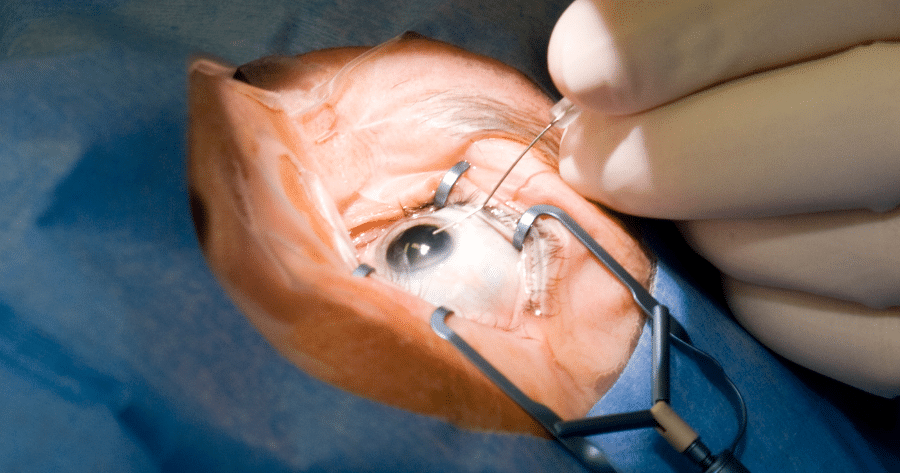
When a cataract begins interfering with daily activities, cataract surgery may be recommended. During surgery, the clouded natural lens is removed and replaced with an artificial intraocular lens, or IOL.
Georgia Vision Institute offers cataract care and personalized treatment planning to help patients understand their options and make informed decisions about their vision.
Can Cortical Cataracts Get Worse Over Time?
Cortical cataracts can progress over time as clouding within the eye’s natural lens increases. The rate of progression can vary from person to person, so changes may happen gradually and are not always noticeable right away.
Regular eye exams are important for monitoring cataracts and determining how much they are affecting your vision. Your eye doctor can evaluate changes in the lens and discuss whether continued monitoring or treatment may be appropriate.
When Should I See an Eye Doctor About Cataracts?
You do not need to wait until vision changes become severe to speak with an eye doctor. If blurry vision, glare, halos, or difficulty seeing at night is beginning to affect your routine, scheduling an eye exam can help identify the cause.
During a comprehensive evaluation, your eye doctor can examine the lens of your eye and determine whether a cataract is contributing to your symptoms. Your vision and overall eye health can also be evaluated to help determine the appropriate next steps.
For some patients, monitoring the cataract and updating their vision prescription may be appropriate. For others, cataract surgery may eventually provide a better option as symptoms begin to interfere with everyday activities. Your ophthalmologist can help you understand where you are in that process and what treatment options may be appropriate for your individual needs.
Cortical Cataract FAQs
What causes cortical cataracts?
Cataracts most commonly develop as a result of natural changes within the eye as we age. Other factors associated with an increased risk of cataracts include diabetes, smoking, prolonged sun exposure, certain steroid medications, previous eye surgery, and eye injuries.
How are cortical cataracts different from other cataracts?
Cataracts are classified partly by where clouding develops within the natural lens. Cortical cataracts affect the lens cortex, or outer portion of the lens. Other cataracts can affect the central nucleus of the lens or develop toward the back of the lens. Learn more about Posterior Subcapsular Cataracts.
What does vision look like with a cortical cataract?
The experience can vary from person to person. Cataracts may cause blurry or hazy vision, glare, light sensitivity, halos, faded colors, and difficulty seeing at night. Symptoms may become more noticeable as the cataract progresses.
How are cortical cataracts diagnosed?
An eye doctor can check for cataracts during a comprehensive eye examination. A dilated eye exam allows your doctor to examine the lens and other structures inside the eye and evaluate changes that may be affecting your vision.
Do cortical cataracts require surgery?
Not necessarily right away. If a cataract is mild and is not significantly affecting your daily activities, your eye doctor may recommend monitoring it. Surgery may be considered when vision changes begin interfering with activities such as reading, driving, working, or watching television.
Can a cortical cataract be removed?
Yes. Cataract surgery removes the clouded natural lens and replaces it with an artificial intraocular lens. Your ophthalmologist can determine when surgery is appropriate and discuss the lens options available based on your individual vision needs.
Schedule a Cataract Evaluation at Georgia Vision Institute
If cloudy vision, glare, or difficulty seeing at night is affecting your daily life, the team at Georgia Vision Institute can evaluate your eyes and help you understand your treatment options. Schedule an appointment at one of our convenient West Georgia locations to take the next step toward clearer vision.