
Open-Angle Glaucoma
Open-Angle Glaucoma Specialist in Georgia

Open-Angle Glaucoma Treatment in Georgia
Open-angle glaucoma is the most common form of glaucoma and one of the leading causes of vision loss in adults over the age of 40. At Georgia Vision Institute, our board-certified ophthalmologists are experienced in diagnosing and managing this silent but serious eye condition. Understanding the nature of open-angle glaucoma, recognizing symptoms early, and seeking timely treatment can help preserve your vision and prevent long-term complications.
What Is Open-Angle Glaucoma?
Open-angle glaucoma is a chronic, progressive eye disease that affects the optic nerve, often resulting in gradual peripheral vision loss. Unlike angle-closure glaucoma, which occurs suddenly, open-angle glaucoma develops slowly and painlessly. In this condition, the drainage angle formed by the cornea and iris remains open, but the trabecular meshwork becomes partially blocked. This leads to increased intraocular pressure (IOP), which damages the optic nerve over time.
Most people with open-angle glaucoma are unaware they have the disease until significant vision loss has occurred, which is why it’s often referred to as the “silent thief of sight.” Routine eye exams are crucial for early detection and long-term management.
Am I at Risk for Open-Angle Glaucoma?
Several risk factors increase the likelihood of developing open-angle glaucoma. These include age (typically over 40), family history of glaucoma, African American or Hispanic descent, high intraocular pressure, thin corneas, and underlying medical conditions such as diabetes or high blood pressure. Regular glaucoma screenings at Georgia Vision Institute are highly recommended if you fall into these high-risk categories.
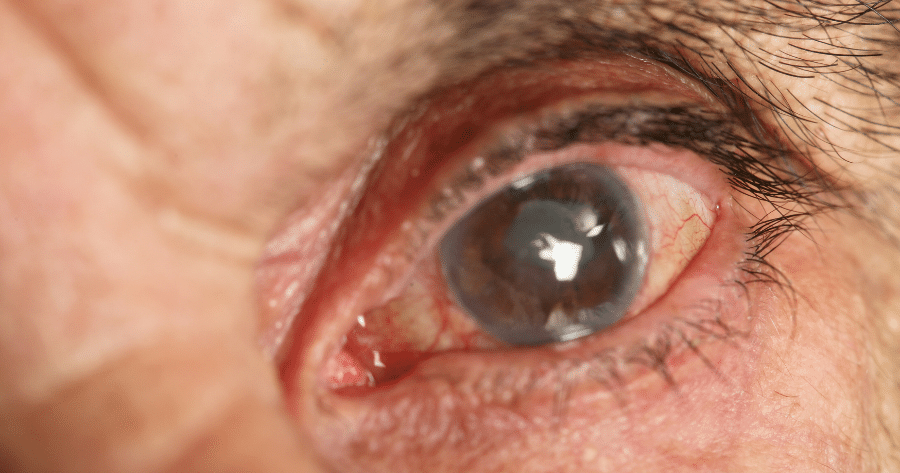
Recognizing the Signs and Symptoms of Open-Angle Glaucoma
One of the most challenging aspects of diagnosing open-angle glaucoma is that it often presents no noticeable symptoms in the early stages. As the disease progresses, patients may notice a loss of peripheral vision, difficulty adjusting to low light, or tunnel vision in advanced cases. Because vision loss from glaucoma is irreversible, early diagnosis is critical.
At Georgia Vision Institute, we use advanced diagnostic tools, including optical coherence tomography (OCT), visual field testing, and tonometry, to detect and monitor changes in your eye health over time. If you have concerns about your vision or are at increased risk for glaucoma, we encourage you to schedule a comprehensive glaucoma evaluation with our team.
Treatment Options for Open-Angle Glaucoma
While open-angle glaucoma cannot be cured, it can be effectively managed with proper treatment. Glaucoma treatment aims to lower intraocular pressure and prevent further damage to the optic nerve. Depending on the severity of your condition, treatment may include prescription eye drops, oral medications, laser therapy (such as selective laser trabeculoplasty), or surgical interventions like trabeculectomy or minimally invasive glaucoma surgery (MIGS).
Our specialists at Georgia Vision Institute tailor each treatment plan to the patient’s needs, carefully monitoring progress and adjusting care as necessary. With regular follow-up appointments and ongoing management, many patients with open-angle glaucoma can maintain stable vision for years.
Schedule an Evaluation for Open-Angle Glaucoma in Georgia
If you or a loved one is at risk for glaucoma or experiencing vision changes, don’t wait. Early detection is key to protecting your eyesight. Georgia Vision Institute is proud to serve communities throughout Georgia with compassionate, comprehensive care for all types of glaucoma, including open-angle glaucoma.
Visit our main glaucoma services page to learn more about the different types of glaucoma we treat and the advanced diagnostic tools we use. Then, contact our team to schedule your appointment and take the next step in preserving your vision.
Living with Open-Angle Glaucoma
A diagnosis of open-angle glaucoma does not mean you will lose your vision. With early detection, consistent monitoring, and the right treatment plan, many patients are able to maintain healthy vision for decades. The key is staying proactive with your eye health and following your ophthalmologist’s recommendations.
Because glaucoma is a lifelong condition, ongoing care is essential. Your treatment may need to be adjusted over time as your eye pressure or vision changes. Keeping scheduled follow-up appointments allows your eye doctor to monitor your optic nerve, evaluate your visual field, and make any necessary changes to your treatment plan before additional vision loss occurs.
At Georgia Vision Institute, our experienced ophthalmologists work closely with each patient to develop a personalized approach to glaucoma management. Whether you are newly diagnosed or have been living with glaucoma for years, our team is committed to helping you protect your vision with comprehensive, evidence-based care.
The Importance of Routine Eye Exams
Since open-angle glaucoma often develops without noticeable symptoms, comprehensive eye exams remain the most effective way to detect the condition early. Even individuals with excellent vision can have glaucoma without realizing it.
Routine examinations allow your eye doctor to measure eye pressure, examine the optic nerve, evaluate peripheral vision, and identify subtle changes that may indicate glaucoma before permanent vision damage occurs. Adults over age 40 and those with known risk factors should discuss an appropriate screening schedule with their eye care provider.
Early diagnosis provides more treatment options and significantly improves the chances of preserving long-term vision.
Frequently Asked Questions About Open-Angle Glaucoma
Can open-angle glaucoma be prevented?
While open-angle glaucoma cannot always be prevented, routine comprehensive eye exams can detect the disease early, often before vision loss occurs. Managing underlying health conditions and following your doctor’s recommendations can also help protect your eye health.
Is vision loss from glaucoma reversible?
Unfortunately, damage caused by glaucoma cannot be reversed. However, early diagnosis and treatment can slow or stop additional vision loss, making regular monitoring extremely important.
How often should glaucoma patients have follow-up visits?
The frequency of visits depends on the severity of your condition and how well your eye pressure is controlled. Some patients may need evaluations every few months, while others with stable glaucoma may only require visits every six to twelve months.
Will I need surgery for open-angle glaucoma?
Not everyone requires surgery. Many patients successfully manage open-angle glaucoma with prescription eye drops or laser treatment. If these options are no longer effective, your ophthalmologist may recommend a surgical procedure to better control eye pressure.
When should I see an open-angle glaucoma specialist?
You should schedule an evaluation if you have elevated eye pressure, a family history of glaucoma, have been told you are at increased risk, or notice changes in your peripheral vision. Early evaluation by an experienced ophthalmologist can help protect your eyesight before significant vision loss develops.