
Glaucoma
Glaucoma Specialist in Georgia
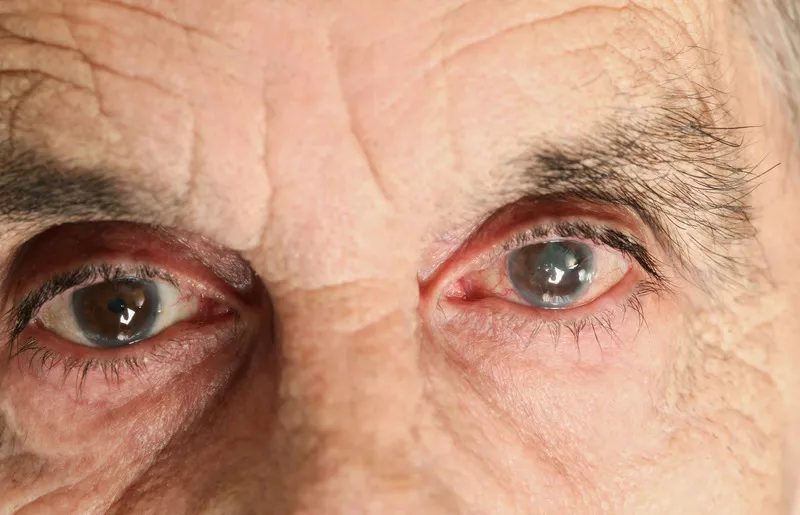
Glaucoma Treatment at Georgia Vision Institute
Glaucoma is a group of eye conditions that damage the optic nerve, often due to increased pressure in the eye, and is a leading cause of irreversible vision loss. At Georgia Vision Institute, we specialize in the early detection and treatment of glaucoma to protect your vision.
Our advanced diagnostic tools allow us to identify glaucoma in its earliest stages, while personalized treatment plans—including medicated eye drops, laser therapy, and surgical procedures—help manage the condition effectively.
Understanding Glaucoma and Its Impact on Eye Health
Glaucoma is a serious eye condition that can lead to permanent vision loss if not treated promptly. It is often called the “silent thief of sight” because it typically presents no symptoms in its early stages. Glaucoma occurs when increased pressure in the eye (intraocular pressure) damages the optic nerve, which is crucial for transmitting visual information to the brain. Without early diagnosis and treatment, glaucoma can lead to irreversible blindness.
Are There Different Types of Glaucoma?
There are several types of glaucoma, but the two most common are open-angle glaucoma and angle-closure glaucoma.
Open-Angle Glaucoma
Open-angle glaucoma is the most common and develops gradually. It occurs when the eye’s drainage canals become clogged over time, leading to increased eye pressure. The process is slow, and vision loss is often not noticed until the disease progresses.
Angle-closure glaucoma
This type of glaucoma is less common but more severe. It occurs when the drainage angle between the iris and the cornea suddenly becomes blocked, causing a rapid increase in eye pressure. Symptoms may include severe eye pain, headaches, blurred vision, and nausea. Angle-closure glaucoma is a medical emergency and requires immediate treatment.

Recognizing the Symptoms of Glaucoma
While open-angle glaucoma may not show symptoms early on, advanced stages can cause blind spots in peripheral vision and tunnel vision. In contrast, angle-closure glaucoma can present with sudden symptoms such as eye pain, halos around lights, red eyes, and blurred vision. Regular eye exams are essential to detect glaucoma early and prevent significant vision loss.
Advanced Glaucoma Treatment Options in Georgia
At Georgia Vision Institute, we offer advanced treatment options to manage glaucoma and prevent further vision loss. Depending on the type and stage of glaucoma, treatment may include prescription eye drops, oral medications, laser therapy, or surgical procedures.
Eye Drops and Medications: Prescription eye drops are often the first line of treatment for glaucoma. These drops help reduce eye pressure by improving fluid drainage or decreasing the fluid produced in the eye.
Laser Therapy: Laser treatment, such as selective laser trabeculoplasty (SLT) or laser peripheral iridotomy (LPI), can help improve fluid drainage in the eye and reduce intraocular pressure.
Surgical Options: In more advanced cases, surgical procedures such as trabeculectomy or minimally invasive glaucoma surgery (MIGS) may be necessary to create new drainage channels in the eye and effectively lower eye pressure.

Micro-Incisional Glaucoma Surgery at Georgia Vision Institute
At Georgia Vision Institute, we offer micro-incisional glaucoma surgery (MIGS), an innovative and minimally invasive treatment option for managing glaucoma. The MIGS procedure effectively reduces intraocular pressure while minimizing recovery time and surgical risks. Ideal for patients seeking a safer alternative to traditional glaucoma surgeries, MIGS integrates seamlessly with cataract surgery or as a standalone procedure.
Our skilled surgeons use cutting-edge techniques to protect your optic nerve and preserve vision for the long term. Contact us to determine if micro-incisional glaucoma surgery is right for you—schedule your consultation today.
Why Choose Georgia Vision Institute for Glaucoma Care?
The experienced team of ophthalmologists and optometrists at Georgia Vision Institute is dedicated to providing personalized glaucoma treatment in a caring and professional environment. Our state-of-the-art facility has advanced diagnostic tools to detect glaucoma early and create effective treatment plans tailored to your needs. We prioritize your vision and overall eye health, helping you manage glaucoma with the latest treatments and technologies.

Schedule a Glaucoma Consultation Today
If you are at risk for glaucoma or are experiencing symptoms, don’t wait to seek professional care. Early detection and treatment are key to protecting your vision and maintaining a high quality of life. Our team is here to provide the support and care you need for all your eye health needs.
If you’re experiencing symptoms or have a family history of glaucoma, schedule an appointment at one of our West Georgia locations today. Early detection is key to protecting your vision.
Glaucoma Care FAQs
How does glaucoma affect long-term vision health?
Glaucoma damages the optic nerve, which is responsible for sending visual information from the eye to the brain. When eye pressure remains elevated over time, this damage can progress and cause permanent vision loss. Early diagnosis and ongoing glaucoma treatment are essential to preserving eyesight.
Is glaucoma something that can progress without symptoms?
Yes. Many patients with glaucoma experience no noticeable symptoms in the early stages, especially with open-angle glaucoma. This is why routine eye exams with a glaucoma specialist are critical, even when vision seems normal.
What tests are used to monitor glaucoma progression?
Monitoring glaucoma involves measuring intraocular pressure, examining the optic nerve, performing visual field testing, and using advanced imaging technology. These tools help track changes over time and guide treatment decisions
Can lifestyle or health conditions impact glaucoma management?
Certain factors, such as diabetes, high blood pressure, medication use, and family history, can influence glaucoma progression. Your eye doctor will consider your overall health when creating a personalized glaucoma care plan.
When are surgical treatments considered for glaucoma?
Surgical glaucoma treatment may be recommended when medications or laser therapy are not sufficient to control eye pressure. Options such as micro-incisional glaucoma surgery (MIGS) are designed to lower eye pressure while minimizing recovery time.
Why choose a Georgia Vision glaucoma specialist for ongoing care?
Managing glaucoma requires specialized expertise and long-term monitoring. Seeing a glaucoma specialist in Georgia ensures access to advanced diagnostics, modern treatment options, and personalized care focused on protecting your vision.