
Presbyopia
Presbyopia Specialist in Georgia
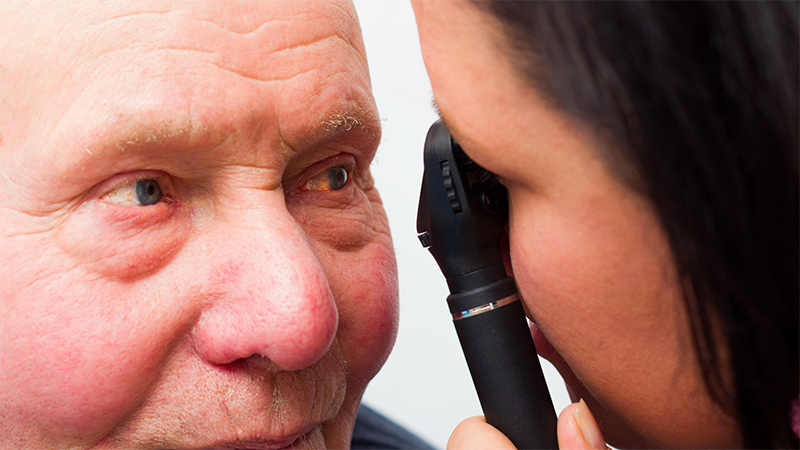
Presbyopia Treatment at Georgia Vision Institute
Presbyopia is a natural age-related condition where the eye gradually loses the ability to focus on close objects, often causing difficulty with reading or other near tasks. At Georgia Vision Institute, we provide advanced solutions to manage presbyopia and restore your ability to focus comfortably without disrupting your visual routine.
Our personalized treatments include multifocal eyeglasses, contact lenses, and innovative options like refractive surgery or premium intraocular lenses. With a focus on tailored care for age-related eye treatments and diagnosis, our team is dedicated to helping you maintain clear, effortless vision at all distances. Schedule an appointment for a consultation at the Georgia Vision Clinic in your area.
Expert Eye Care at Georgia Vision Institute
Understanding Presbyopia and Its Impact on Vision Presbyopia is a natural part of the aging process that affects the eye’s ability to focus on objects. Typically, presbyopia develops around age 40 and worsens over time. It occurs when the eye’s lens becomes less flexible, making it difficult to adjust focus for reading or other close-up tasks. While presbyopia is not preventable, there are effective treatment options to help manage this condition and improve your quality of life.
What Are the Common Symptoms of Presbyopia?
Presbyopia often presents with symptoms such as blurred vision when reading small print, difficulty seeing objects up close, eye strain, and headaches when performing tasks that require close focus. You might find yourself holding reading materials at arm’s length to see clearly. If you are experiencing these symptoms, scheduling an eye exam with a specialist is essential.
Advanced Presbyopia Treatment Options in Georgia
At Georgia Vision Institute, we offer various treatment options for presbyopia to help restore clear vision. Treatment plans are personalized to meet your specific needs and lifestyle.
Reading Glasses: Prescription reading glasses are the most straightforward treatment for presbyopia. They help magnify objects up close and are often recommended for those who do not need glasses for distance vision.
Bifocal and Multifocal Lenses: Bifocal and multifocal lenses offer a convenient solution for those needing correction for distance and close-up vision. These lenses allow you to see clearly at various distances without needing multiple glasses.
Contact Lenses: Multifocal or monovision contact lenses can also help manage presbyopia. Monovision involves wearing one contact lens for distance vision and the other for close-up vision, allowing your brain to adapt to the different focal points.
Surgical Options: Surgical options such as lens implants or corneal inlays are available for those seeking a more permanent solution. These procedures can improve the eye’s focusing ability and reduce or eliminate the need for glasses or contact lenses.

Why Choose Georgia Vision Institute for Presbyopia Care?
At Georgia Vision Institute, our experienced team of eye care professionals is dedicated to helping you achieve clear vision at all distances. We use advanced diagnostic tools to assess your vision needs accurately and provide personalized treatment plans tailored to your lifestyle. Whether you prefer glasses, contact lenses, or a surgical option, our team is here to guide you through the process with compassionate care and expertise.
If you are experiencing symptoms of presbyopia, don’t wait to seek professional eye care. Early intervention can help improve your vision and reduce the frustration of struggling with close-up tasks. Contact Georgia Vision Institute today to schedule an appointment and learn more about your treatment options at one of our convenient Georgia locations. Our goal is to provide the highest quality eye care to help you maintain clear, comfortable vision at every stage of life.
Presbyopia Treatment FAQs: Answers from Georgia Vision Institute
Presbyopia is a common vision change that affects most adults as they age. While it is a natural part of the aging process, many patients have questions about what to expect and how it can be treated. Below are answers to some of the most frequently asked questions about presbyopia from the eye care specialists at Georgia Vision Institute.
What is presbyopia?
Presbyopia is an age-related vision condition that affects the eye’s ability to focus on close objects. It develops as the natural lens inside the eye becomes less flexible over time, making it harder to shift focus between distances. Presbyopia is not a disease, but a normal change that typically begins around age 40 and gradually progresses.
What are the early signs of presbyopia?
The most common symptoms include difficulty reading small print, blurred near vision, eye strain, and headaches after close-up tasks such as reading or using a phone. Many people notice they need to hold reading materials farther away to see clearly. If you are experiencing these symptoms, a comprehensive eye exam can help confirm the diagnosis.
How is presbyopia diagnosed?
Presbyopia is diagnosed during a routine eye exam. Your eye doctor will perform vision testing to evaluate how well your eyes focus at different distances. This evaluation helps determine the best treatment options based on your visual needs and lifestyle.
What treatment options are available for presbyopia?
There are several effective treatments available. Prescription reading glasses, bifocal lenses, and multifocal lenses can help improve near vision. Contact lenses designed for presbyopia are also available, including multifocal and monovision options. For patients seeking long-term solutions, advanced treatments such as refractive surgery or premium intraocular lens implants may reduce dependence on glasses or contacts.
Will presbyopia continue to worsen over time?
Presbyopia usually progresses gradually over several years before stabilizing. Regular eye exams allow your eye doctor to monitor changes and adjust your prescription or treatment as needed to maintain clear vision.
Can presbyopia be prevented?
Presbyopia cannot be prevented because it is part of the natural aging process. However, early diagnosis and proper treatment can significantly improve visual comfort and daily function.
When should I see an eye doctor about presbyopia?
If you notice blurred near vision, eye fatigue, or difficulty focusing on close objects, it is important to schedule an eye exam. Early evaluation allows for personalized treatment recommendations that support long-term eye health.
The experienced team at Georgia Vision Institute provides comprehensive presbyopia care using advanced diagnostic technology and personalized treatment plans. Schedule an appointment today to learn more about your options and restore clear, comfortable vision.