
Uveitis Specialist
Uveitis Specialist in Georgia
Advanced Uveitis Treatment & Eye Care at Georgia Vision Institute
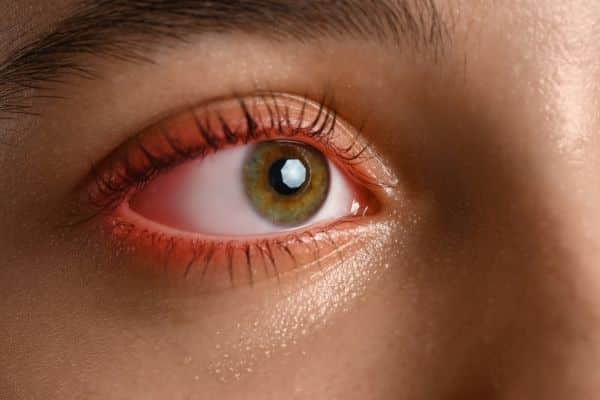
Uveitis is a serious inflammatory eye condition that can threaten your vision if not diagnosed and treated early. At Georgia Vision Institute, our experienced uveitis specialists and ophthalmology team provide advanced uveitis treatment for patients throughout Georgia. If you are experiencing eye redness, blurry vision, floaters, light sensitivity, or eye pain, our eye doctors are here to help with comprehensive diagnosis and personalized treatment options.
Uveitis occurs when inflammation affects the uvea, the middle layer of the eye. This inflammation can damage important eye structures and may lead to complications such as glaucoma, cataracts, retinal swelling, or permanent vision loss if left untreated. Early evaluation by an experienced eye specialist is essential for protecting your long-term vision and eye health.
At Georgia Vision Institute, our eye clinic provides comprehensive care for patients with mild, moderate, and complex inflammatory eye diseases. We focus on identifying the underlying cause of your symptoms while creating a customized treatment plan designed to reduce inflammation and preserve your vision.
Common Symptoms of Uveitis
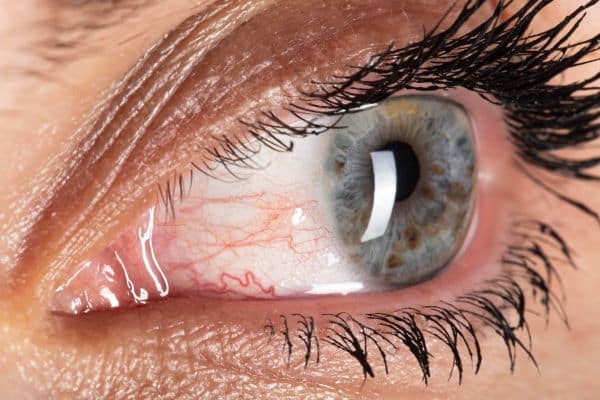
Symptoms of uveitis can appear suddenly and may affect one or both eyes. Common signs include:
- Eye redness
- Blurred vision
- Eye pain or discomfort
- Light sensitivity
- Floaters
- Decreased vision
- Headaches related to eye inflammation
Because many eye conditions share similar symptoms, it is important to see an experienced uveitis doctor for a complete eye exam and accurate diagnosis.
Causes of Uveitis
There are several possible causes of uveitis. In some cases, the condition may be linked to autoimmune diseases, infections, inflammatory disorders, or eye injuries. Conditions commonly associated with uveitis include rheumatoid arthritis, lupus, sarcoidosis, and certain viral infections.
Our ophthalmologists work closely with patients and their healthcare providers to determine whether an underlying medical condition may be contributing to the inflammation.
Uveitis Diagnosis & Treatment
At Georgia Vision Institute, we use advanced diagnostic technology to evaluate inflammation inside the eye and determine the severity of the condition. Your comprehensive eye examination may include retinal imaging, dilated eye exams, slit-lamp evaluation, and eye pressure testing.
Treatment for uveitis depends on the type and severity of inflammation. Common uveitis treatment options include:
- Steroid eye drops
- Anti-inflammatory medications
- Oral medications
- Injectable medications
- Long-term monitoring and management
Our goal is to reduce inflammation quickly, relieve symptoms, prevent complications, and protect your vision.
Why Choose Georgia Vision Institute?
Georgia Vision Institute is committed to providing compassionate, patient-focused eye care across Georgia. Our experienced ophthalmologists and eye specialists offer advanced treatment for uveitis and other complex eye conditions using modern technology and evidence-based care. Patients trust our eye clinic for comprehensive vision care, personalized treatment plans, and long-term support for chronic eye diseases.
Types of Uveitis and How They Affect the Eye
Uveitis is classified based on the area of the eye where inflammation occurs. Identifying the location and pattern of inflammation helps an ophthalmologist determine the type of uveitis and develop an appropriate treatment plan.
Anterior uveitis affects the front portion of the uvea and is the most common form of uveitis. It can cause eye redness, pain, blurred vision, and sensitivity to light. Inflammation may develop suddenly and can sometimes return after treatment.
Intermediate uveitis primarily involves inflammation in the vitreous, the gel-like substance inside the eye. Patients may notice floaters or blurred vision. Some cases are associated with an underlying inflammatory or autoimmune condition, while in others, no specific cause is identified.
Posterior uveitis affects structures toward the back of the eye, such as the retina or choroid. Because these structures play an important role in vision, inflammation in this area requires careful evaluation and management.
Panuveitis occurs when inflammation affects multiple areas of the eye. Symptoms and treatment needs can vary depending on which eye structures are involved and the severity of the inflammation.
Uveitis can be acute or chronic, and some patients experience recurrent episodes. Without appropriate management, ongoing inflammation may increase the risk of complications including cataracts, glaucoma, macular edema, retinal damage, and vision loss. Evaluation by an ophthalmologist can help determine the location and severity of inflammation, investigate potential causes, and establish a treatment and monitoring plan.
Frequently Asked Questions About Uveitis
Is uveitis an eye infection?
Not necessarily. Uveitis refers to inflammation inside the eye rather than one specific disease. Some cases are associated with infections, while others may be related to autoimmune or inflammatory diseases, eye injury, or other causes. In some patients, an underlying cause cannot be identified.
Can uveitis go away on its own?
Symptoms may improve in some cases, but suspected uveitis should be evaluated by an eye doctor. Untreated inflammation can potentially damage eye structures and lead to complications. Treatment depends on the location, cause, and severity of the inflammation.
Is uveitis considered an eye emergency?
Certain symptoms associated with uveitis warrant prompt evaluation. Sudden eye pain, significant redness, light sensitivity, new floaters, or changes in vision should not be ignored. Sudden or severe vision loss requires urgent medical attention.
Can uveitis come back after treatment?
Yes. Some forms of uveitis occur as a single episode, while others can recur or become chronic. Patients with recurrent uveitis may require ongoing ophthalmologic monitoring to detect inflammation and potential complications.
How does an ophthalmologist diagnose uveitis?
Diagnosis begins with a comprehensive eye examination. Depending on the patient’s symptoms and findings, evaluation may include a slit-lamp examination, dilated examination, measurement of intraocular pressure, and retinal imaging. Additional testing may be recommended when an underlying systemic disease or infection is suspected.
Can uveitis cause permanent vision loss?
Severe, recurrent, or inadequately controlled inflammation can potentially damage structures within the eye. Complications can include glaucoma, cataracts, macular edema, retinal damage, and vision loss. Early diagnosis, appropriate treatment, and follow-up care can help reduce the risk of complications.
Can my general practitioner help me with uveitis?
Your primary care doctor can diagnose and treat uveitis, but for recurring infections or inflammation, we recommend seeing an ophthalmologist to understand the root cause of continuing discomfort. A Georgia Vision ophthalmologist can evaluate suspected uveitis, determine which part of the eye is inflamed, and recommend appropriate treatment. Georgia Vision Institute provides evaluation and treatment for patients with uveitis and other inflammatory eye conditions in Georgia.
Schedule an Appointment for Uveitis Treatment in Georgia
If you are searching for a uveitis specialist in Georgia or need treatment for eye inflammation, Georgia Vision Institute is here to help. Early diagnosis and expert care are critical for preserving your vision and preventing complications.
Contact Georgia Vision Institute today to schedule a comprehensive eye exam and learn more about your uveitis treatment options.